For Latest Updates
This email is already registered!
Your data has been securely saved to the database.
I was only ten when Aashiqui 2 released in 2013 and I watched it properly at nineteen on a rainy night with my cousin. I still remember the exact moment I understood what kind of film it was. It was not a scene or a dialogue. It was a song. Tum Hi Ho began and the whole room went quiet. That is the thing about this movie. Ask anyone my age what they remember and they will hum before they describe. Directed by Mohit Suri the film follows Rahul Jaykar a self destructive star and Aarohi a bar singer he discove
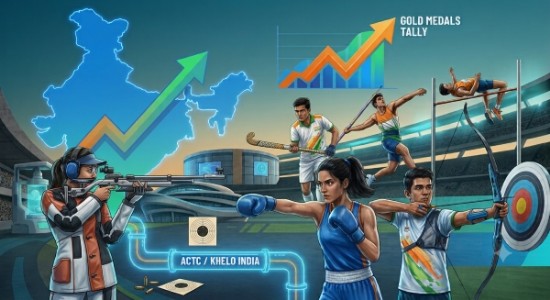
Unlike earlier when India’s success in athletics and other sports was sporadic and individual, there is now a well-oiled system producing elite athletes. The efforts are now bearing fruit.
Anxiety itself is not an enemy. It is an alarm system that evolved to keep us alive. The trouble begins when the alarm rings constantly even when no real danger is present. For young people in India who juggle competitive exams and family expectations and career fears this alarm can become very loud and very hard to switch off. Many of us are taught to chase marks and ranks from childhood so the habit of worrying about the future starts early and rarely gets questioned. What looks like ambition from the out
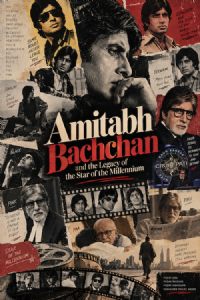
I am twenty three and the first Amitabh Bachchan film I ever watched was Sholay on a worn out DVD at my uncle’s house. I did not know it then but I was watching the work of a man who would shape how Indian cinema looked and sounded for the next fifty years. In 1999 a BBC online poll named him the Star of the Millennium ahead of names from Hollywood and beyond. That title sounds big but after living with his films it feels fair. Very few actors have managed to be a rebel and a patriarch and a comic and a ico
Esports is transforming gaming into a competitive industry with career opportunities in professional gaming, game development, data science, and content creation. Explore its growth, challenges, and future.