Hanuman Ansh isn’t just trending. It’s the quietest flex Indian cinema has pulled in years.
|


Hanuman Ansh isn’t just trending. It’s the quietest flex Indian cinema has pulled in years.
-Pulse Desk
No A-lister. No 400-crore VFX circus. No trailer dropping on every reel with a item song. Just a ₹2-crore film about a grieving boy who walked out of home looking for God and became the saint the world now knows as Neem Karoli Baba. Eight weeks later it’s sitting past ₹400 crore worldwide and still collecting. Word of mouth did what marketing budgets couldn’t. That’s not a box-office run. That’s a whole movement.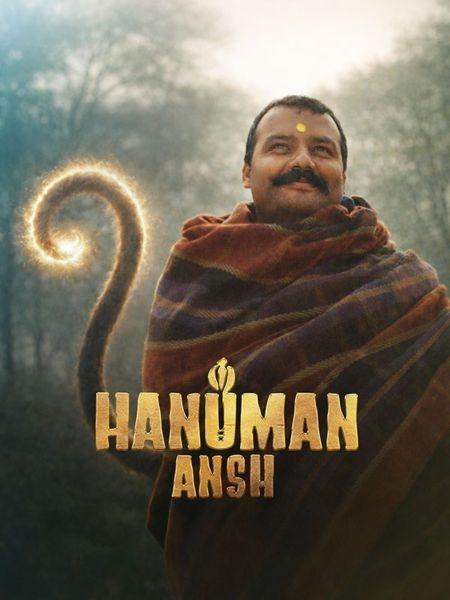
Director-writer-producer Vishal Chaturvedi made this from his own book Divine Detour. Lead Shobhinaw Satyaa wasn’t even the original pick — he was an assistant director who stepped in when the first actor fell sick. The resemblance to Maharaj-ji is uncanny, the performance is still, warm, zero overacting. The film looks simple on purpose: dusty roads, rivers, forests, villages of pre-Independence North India. No glossy filters. Just faith, hunger, and a boy who keeps walking.
The plot is clean and it hits. After his mother dies, young Lakshmi Narayan (later Lakshman Das) is told she’s “gone to God.” So he leaves home to find God — because if he finds Ram, he finds her. He goes through Hanuman, because who else takes you to Ram? Years of wandering, silence, discipline, feeding people, chanting Ram Ram. The miracles stay quiet. The film cares more about the person than the special effects. Title twist is the point: Hanuman Ansh means a fragment of Hanuman. Baba lived that idea so hard that devotees started seeing Hanuman in him. It’s both stories at once.
Quick on Neem Karoli Baba so we’re all on the same page. Born Lakshman Narayan Sharma around 1900 in Akbarpur, UP. Married young, left, wandered, came back, left again. Famous incident: thrown off a train for no ticket near Neeb Karori village. The train refused to move till they put him back on. That village gave him the name. He built Kainchi Dham near Nainital, fed everyone, said love all, serve all, remember God. Steve Jobs flew to India looking for him. Ram Dass wrote books about him. Blanket, no shoes, no performance. Just seva. The film stays in the early, human chapters instead of chasing celebrity footnotes. That’s the taste.
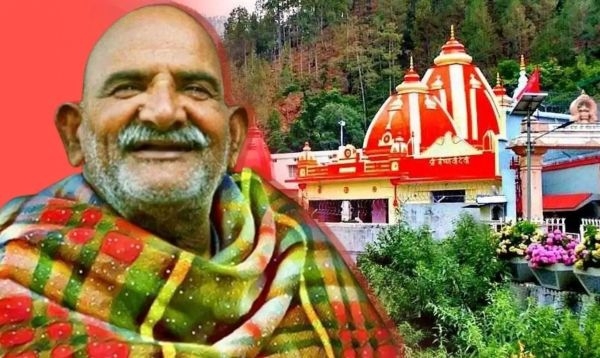
The beauty is the restraint. Music (including Krishna Das kirtan energy) gives goosebumps when Hanuman Chalisa fills the hall. Youngsters who watch everything at 2x said they sat through the whole thing because it didn’t feel like a movie — it felt like they were there. Kangana called it therapy, not cinema. Families are dragging grandparents and GenZ cousins to the same show. That’s rare.
This is also the bigger plot. Bollywood spent years selling the same cocktail: violence, item numbers, superstar vanity. Then Kantara, Hanu-Man, Mahavatar Narsimha, and now Hanuman Ansh proved something else. Crores of young Indians are not allergic to roots. They’re tired of copy-paste cool. They want real stories of Bharat — sant parampara, bhakti, seva, the philosophy that actually built this civilisation. GenZ isn’t “leaving tradition.” A lot of them are circling back because the algorithm gave them everything except meaning. A two-crore film made without a fee from its director, held together by devotees who joined last minute, is currently out-earning some of the year’s most expensive spectacles. That’s not nostalgia. That’s demand.
Applaud the team properly. Tiny budget. Screens dropped to almost nothing in week two. Then people started telling people. WhatsApp groups, residential societies, kids who usually skip “devotional” films walking out quiet. First part of a planned trilogy already greenlit. Industry suddenly announcing more faith-rooted projects because the numbers don’t lie.
If you’ve been living on reels and think spirituality is only for uncles, this one might still get you. Not because it lectures. Because a boy looking for his mother accidentally found a way to live that still makes sense in 2026. Ram Ram. Go watch it before the next “pan-India” film with a 500-crore budget tries to copy the vibe and misses the soul.