From Hand Me Down to Hyped Up: Thrifting's Big Rebrand
From Hand Me Down to Hyped Up: Thrifting"s Big Rebrand


From Hand Me Down to Hyped Up: Thrifting's Big Rebrand
There was a time when telling someone your outfit was from Sarojini Nagar came with a tiny pause before you said it, almost bracing for a reaction. Now people lead with it. "This whole fit was six hundred rupees" has basically become a flex, not a confession, and that shift did not happen by accident.
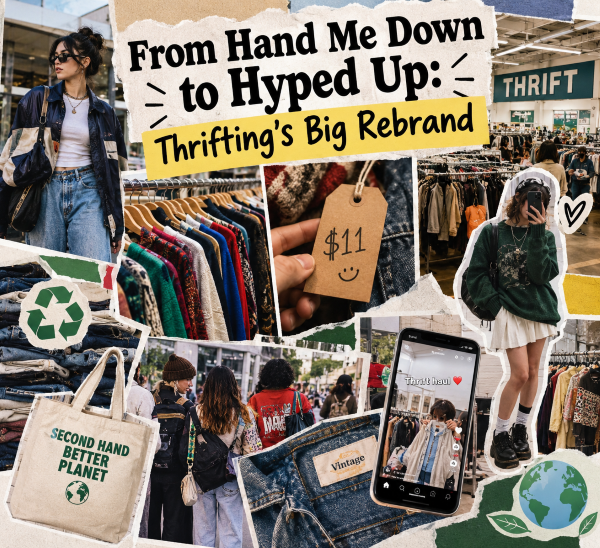
Delhi's flea markets have quietly become the backbone of this whole movement. Sarojini Nagar and Majnu Ka Tila are not just export surplus lanes anymore, they have turned into full on thrift curation stalls where sellers sort, clean and reprice vintage finds before they even hit a rack. Bengaluru and Chennai have their own version of this happening through college students running curated preloved pages, and Mumbai has carved out its own niche selling secondhand denim and designer pieces mainly for content shoots and social media reels.
Instagram is really where this entire economy lives now. Young sellers are running full businesses straight from their profiles, handpicking pieces, pricing them, and taking orders through DM with payment over UPI. Some of these small thrift pages depend almost entirely on Instagram reach for survival, which means one bad algorithm week can genuinely hurt an entire month's income for someone running this as their actual livelihood, not just a hobby.
Part of this boom comes down to money, obviously. With jobs harder to come by and prices for basically everything climbing, thrifting lets people build a wardrobe they actually like without draining their pocket money or salary. But treating this trend as purely a budget thing misses most of the story. A lot of people thrifting right now could easily afford new clothes and still choose not to, because thrifting offers something fast fashion simply cannot, which is originality. Nobody wants to show up somewhere wearing the exact same mass produced piece as five other people from the same online store. A thrifted find, especially something vintage or genuinely one of a kind, carries a kind of individuality no factory rack can compete with.
There is also something quietly nostalgic tied into all of this. Long before thrifting became a trend with a hashtag, most Indian households were already doing a version of it. Old sarees getting passed down, faded shirts turned into something new, barely anything actually thrown away. This generation is not really inventing a new idea, they are just rebranding something their own grandmothers and mothers were doing out of practicality, except now it comes with better lighting and an Instagram carousel.
Sustainability plays a real role too, and it is not just something people post about for optics. Growing up watching the environmental cost of fast fashion get called out constantly changed how a lot of younger shoppers think about consumption. Buying something that already exists instead of feeding more overproduction genuinely lines up with values a lot of people hold, especially with fashion's environmental footprint being such a heavily discussed topic now.
There is also a quieter identity shift happening underneath all of this. Owning something because of a brand name matters less than owning something that actually feels like you. Thrifting gives people room to experiment with a completely different aesthetic without financially committing to it. You can try a whole new look for the price of one fast fashion top, and if it does not work out, there is no real damage done.
None of this is without its messy side either. As thrifting gets more popular, some Instagram thrift pages have started pricing export surplus items at a markup that barely resembles the original point of thrifting. Anyone who has spent an hour bargaining in the Sarojini Nagar heat knows that a good find is still part instinct, part patience and part luck, no filter or caption can replace that.
Even with those bumps, the bigger shift is undeniable. Thrifting stopped being something people quietly settled for and became something people actively choose, because it offers individuality, sustainability and affordability all at once. Turns out the most personal wardrobe you can build was never going to come from a new rack in a mall, it was already out there in a market lane or someone's Instagram grid, just waiting to be found first.