Ghar Jaisa Khana: The new comfort food era
Ghar Jaisa Khana: The new comfort food era
|


Ghar Jaisa Khana: The new comfort food era
- Raj Bhatia
Mumbai’s food scene never stays boring, fr.
One day it’s Korean, next it’s Japanese, weekend you’re chasing fancy brunch vibes. Experiments keep rolling non-stop. But right now another wave is properly locking in — ghar jaisa khana. India always had khaanavals, bhojanalayas, lunch homes and classic tiffin culture. 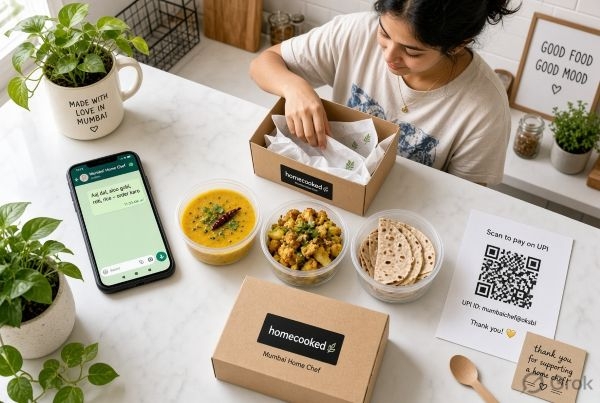
Mumbai pulls people from literally every corner of India. Maharashtra cities, Gujarat, Rajasthan, South India, Bengal, Delhi-UP-Bihar — everyone lands here for jobs, business or college. Home stays behind. And with it goes that effortless food you never had to think about. Someone craves varan-bhaat. Someone needs proper Gujarati dal-kadhi. Someone wants authentic Bohri flavours. Someone is missing South Indian lunch.
The collective mood is clear:
“Restaurant version? Nah. I want my ghar wala version only.”Second reason: time is a full luxury here.
Long office hours, daily commute, traffic, meetings, side hustles. By the time you reach home, cooking energy is at absolute zero. And it’s not just bachelors. Working couples, students, families, even senior citizens — everyone needs that one meal you can just order and feel:
“Yeah, this is pure ghar wala scene.
"Health consciousness is also lowkey driving it.
People are more aware of daily intake. Not everyone is chasing strict diet food. Basic checks matter: how much oil, how much salt, is it fresh, what ingredients went in. Home-style food’s biggest flex is familiarity. You roughly know how it was cooked. Simple everyday plates — dal, sabzi, roti, rice, curd, seasonal veggies — slide easily into the daily routine. Of course ghar ka khana isn’t automatically healthy. Puri is still ghar ki. Pakoda is still ghar ka. Halwa too.
Point is, more people want fresh, simple everyday food instead of special-occasion meals on loop.Mumbai already has solid examples.
Girgaon’s The Girgaum Kitchen serves traditional Maharashtrian favourites like poli, bhaji and varan-bhaat in a new-age setup.
Matunga still runs on legends like Mani’s Lunch Home and Udipi Shri Krishna Boarding — pure South Indian everyday-meal culture.
Kalbadevi’s Shree Thaker Bhojanalay remains the Gujarati thali institution: dal, kadhi, shaak, rotli, farsan, chaas — full comfort package.
But the next level is wilder. Food businesses are now running straight from residential flats.
Sam’s Bohri Zaika in Chandivali is the perfect case.
Chef Samina started cooking traditional Bohri food at home for family. Slowly it reached customers and evolved into a proper home-kitchen delivery operation.
Gujarati side has Thepla House by Tejal’s Kitchen.
Tejal launched from her own Mumbai kitchen in 2018 and took home-style Gujarati food to a wider crowd. Countless small tiffin and home-food setups across the city are building customers purely through Instagram, WhatsApp and word-of-mouth.
Sometimes the menu is just a WhatsApp blast:
“Aaj dal, aloo gobi, roti, rice.”
Replies flood in: “Mere liye ek.” “Do bhej dena.” “Kal kya hai?”Even tiffin culture got a glow-up.
Old school was mostly your home to your office.
New version is someone else’s home kitchen straight to your door.
Tech made it stupid easy: Instagram for discovery, WhatsApp for menu, UPI for payment, delivery for reach, word-of-mouth for marketing.Regional food is becoming personal again.
“Ghar jaisa” doesn’t mean one fixed menu.
Maharashtrian hits = varan-bhaat, usal, poli.
Gujarati = dal-kadhi, shaak, rotli.
Marwari = dal-baati, gatte, ker-sangri.
Bohri = traditional preparations.
South Indian = sambar, rasam, poriyal, curd rice. Different plates, different memories, same feeling. In a migrant-heavy city like Mumbai that connection hits even harder.Gen-Z is living both sides.
They fully enjoy experimenting — ramen, sushi, Korean, all of it.
But the same person can explore a new restaurant on Sunday and wake up Monday like:
“Bhai, pure ghar jaisa dal-chawal ka mann hai.” Trying new stuff is an experience. Comfort food is pure emotion. Both can coexist, no conflict.So what’s actually happening?
Mumbai’s restaurant culture isn’t going anywhere. People will keep chasing new cuisines, cafés and trends. Parallelly, ghar jaisa khana is claiming a bigger slice of everyday eating.
Migration fuels the craving. Long hours demand convenience. Health awareness shapes choices. Tech helps discover home cooks. Nostalgia puts regional food back in the spotlight. From khaanaval and lunch home to home delivery — and now residential flats turning into neighbourhood kitchens.
The food scene is evolving, and right in the middle a very simple idea is quietly winning:
“Bahar ka kuch bhi kha lenge… but kabhi-kabhi bas ghar jaisa chahiye.”