Skyroot Just Dropped India’s Startup Glow-Up on the World
*Skyroot Just Dropped India’s Startup Glow-Up on the World*
|


*Skyroot Just Dropped India’s Startup Glow-Up on the World*
- Pulse Desk
Skyroot Aerospace’s Vikram-1 launch isn’t just another rocket story. It’s the moment Indian startups officially pulled up to the global stage and said, “We’re here.” A sector that used to belong only to big national space agencies now has a private Indian company building and flying orbital rockets. That’s wild—and it’s only the beginning.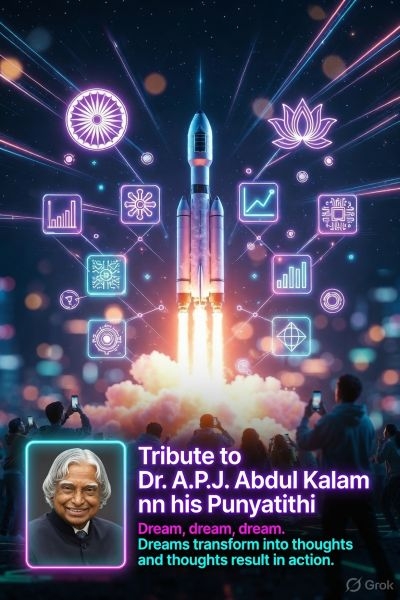
Rewind to the late 2000s and the vibe was totally different. Starting a company in India felt like climbing a mountain in flip-flops. Venture capital was scarce, rules were messy, and the whole ecosystem was still figuring itself out. Even the brands we all know today had to grind hard. Flipkart started in a tiny Bengaluru apartment in 2007. The founders packed and delivered books themselves because people were still scared of online shopping and investors weren’t exactly lining up for internet ideas.
Fast-forward less than twenty years and the script has flipped. India is now the world’s third-largest startup ecosystem. Founders aren’t just selling stuff online anymore—they’re building rockets, defence tech, AI, biotech, semiconductors, and advanced manufacturing. The country’s entrepreneurial energy has levelled up in every direction.
The numbers tell the real story. In 2016, India had just 452 DPIIT-recognised startups. By March 2026 that number had smashed past 2.23 lakh, spanning more than 55 sectors and creating over 23.36 lakh direct jobs. In FY2025-26 alone, 55,200 startups got official recognition—the highest single-year jump since Startup India launched. These aren’t just apps and delivery services. They’re deep-tech plays that take years of research, serious engineering, specialised manufacturing, endless testing, and big money before anyone sees returns. Yet Indian founders are still showing up and shipping.
What’s even cooler? This growth isn’t stuck in the usual metro bubbles. Earlier, almost everything happened in Bengaluru, Delhi-NCR, and Mumbai because that’s where the money, talent, and networks lived. That picture is changing fast. Recognised startups now exist in 785 districts across all 28 states and eight Union Territories. Nearly 51% of them sit in Tier-2 and Tier-3 cities. That’s not just a statistic—it’s jobs, local investment, and real innovation ecosystems popping up far beyond the big three.
Even the Union Territories are getting in on the action. In the Andaman and Nicobar Islands, Go2Andaman is rewriting how people experience the islands. Founder Umang Sonthalia built interactive travel maps and ferry booking systems that actually work in low-bandwidth conditions, connecting tourists straight to local service providers. Small place, big idea, real impact.
This wider spread matters. Startups in smaller cities help states diversify their economies, create opportunities closer to home, and build specialised industries that didn’t exist before. India’s startup story is no longer just about unicorns in glass towers. It’s about founders in every corner of the country solving real problems with serious tech.
Skyroot’s Vikram-1 is the perfect symbol of this shift. A decade ago the idea of a private Indian startup launching an orbital rocket felt almost impossible. Today it’s happening, and it’s inspiring the next wave of founders to aim even higher—whether that’s in space, defence, AI, biotech, or whatever comes next.
On a day when the nation remembers Dr. Kalam’s vision and quiet fire, this launch feels like a living tribute. The ecosystem that once struggled to find its feet is now running. It’s creating jobs at scale, spreading opportunity beyond the traditional hubs, and proving that Indian entrepreneurship can compete on the world stage in the hardest sectors. The rocket went up. The real story is everything that launched with it—and the dreamers who refuse to stop reaching higher.