The Silent Cry Behind Academic Success
|


The Silent Cry Behind Academic Success
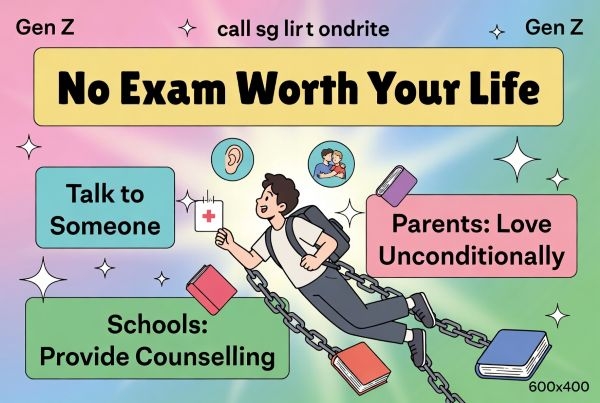
Student suicides are increasing at an alarming rate across the world. Many students today experience extreme pressure related to studies, careers, financial problems and social expectations. While education is meant to build a brighter future, excessive pressure has turned it into a source of anxiety and fear. Every year, thousands of young students lose their lives due to academic burden, fear of failure, depression, bullying, loneliness and lack of emotional support. These tragedies are not just individual losses, they reveal the emotional crisis affecting modern education and society as a whole.
One of the biggest reasons behind suicides is the academic pressure. Many students grow up believing that their marks, entrance examinations and career achievements define their entire future. The fear of disappointing parents, teachers and society creates constant stress. Students who fail to achieve expected results often experience guilt, shame and hopelessness. Instead of looking at failure as a temporary setback, they begin to see it as the end of their dreams.
Family expectations also contribute significantly to this problem. Parents naturally want their children to succeed, but excessive pressure can negatively impact their mental health. Some students are forced into careers they have no passion for but continue with it for their parents' acceptance. While others are constantly compared to their siblings or classmates. When children feel only valued for their achievements and loved conditionally they may become emotionally distant.
Mental health disorders such as anxiety, depression, panic attacks and emotional burnout are other major factors. Unfortunately, mental health is still stigmatized in our society. Students often hesitate to speak openly or seek help under the fear of being judged or labelled as weak. Social media also worsens this situation by creating unrealistic standards of success and happiness. Constant comparison with others can lower self-esteem and increase feelings of insecurity.
Bullying, ragging, cyberbullying and social isolation also deeply affect students. Many victims silently suffer from emotional trauma because they are afraid to speak out. Financial stress is also another challenge for students who worry about educational expenses, student loans or becoming a burden on their family.
The impact of student suicide is heartbreaking. Families experience grief and guilt, often wondering whether they missed the warning signs. Friends and classmates may suffer emotional trauma, while educational institutions face criticism and distress. Society loses talented young individuals who have the potential to contribute positively to the future.
As individuals, we can play as important role in preventing student suicides. Sometimes simply listening to someone without judgement can save a life. Students who are mentally struggling often need empathy, understanding, patience and reassurance. We should encourage open discussions about mental health and create an environment where students feel safe and comfortable expressing their emotions.
Families have a major responsibility in protecting students' emotional wellbeing. Parents should prioritize their child’s mental health over academic performance. Exams can be repeated again but life once lost doesn’t come back. Children must feel safe discussing failures, fears and emotional struggles without the fear of criticism and humiliation. Without failure there is no path to success. Parents should also pay attention to warning signs such as withdrawal from social activities, mood swings, sleep changes, loss of interest or sudden behavioural changes.
Educational institutions also have a critical role to play. Schools and colleges should provide professional counselling services and mental health awareness programs. Teachers should be trained to identify students who are emotionally distressed. Institutions should reduce unhealthy academic competition and create support learning environments. Strict action should be taken against bullying, harassment and ragging.
Society and government must work together to address this growing crisis. Public awareness campaigns can help remove stigma around mental health. The government should invest in affordable counselling services, student helplines and mental support systems. The education system should focus not only on marks but also on emotional intelligence, creativity, communication skills and personal development.
In conclusion, student suicides are a serious warning signs for society. No examination, career or social expectation is more valuable than human life. Preventing these tragedies requires collective responsibility from individuals, families, educational institutions, government and society as a whole. A culture of empathy, emotional support and understanding can help students feel valued, seen, heard and hopeful about their future.
-Maitrayee Repal