Gen Z’s Financial Playbook
|


Gen Z’s Financial Playbook
In today’s fast-changing world, managing money has become challenging for Gen Z students and young professionals. There is a rise in standard of living, student debts, and also the instant gratification people crave by hoping on to trends, impulsive buying and a pressure to maintain a social lifestyle to look appealing online and chasing social media validation makes budgeting not an option but a necessity. Unlike previous generations, Gen Z is exposed to the digital age where social media, financial apps, and content available online influence their spending habits. Therefore, their approach is not conventional but modern, tech-oriented and highly flexible.
With the decline in use of cash, UPI apps like Google Pay, Paytm, PhonePay are at rise. Every other person, be it a student or a working professional, wants to make transactions happen at just one click. Another noticeable budgeting habits among students is the use of digital finance apps. Many students and working professionals depend on mobile apps for tracking finances, saving goals, investing and maintaining a monthly budget. There exist multiple apps that help you categorize your monthly expenses like transportation, food delivery, various subscriptions, entertainment, necessities and other miscellaneous expenses. This digital approach has made budgeting more convenient and efficient as compared to traditional methods like notebooks and spreadsheets.
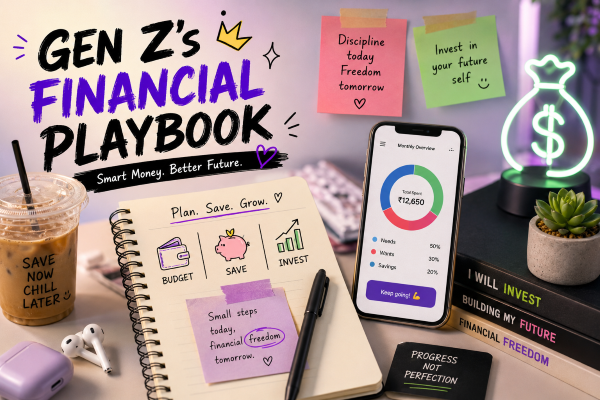
Gen Z also has adopted a ‘pay yourself first’ mindset. This means that young professionals prioritize saving a certain portion aside from the income before spending on non-essential items. Also students with a part time job try to bring this into practice which helps them manage their expenses well. This creates awareness about financial security and future planning. We can see the growing importance of bifurcating funds for emergency purposes, travelling, leisure and investment.
Gen Z has also adopted smart spending. Now what does that mean, you may ask? Instead of making impulsive purchases, many compare prices online, use cashbacks and student discounts. Another fascinating thing that Gen Z has embraced is the thrifting culture. Thrift shopping and buying affordable alternatives has become more popular these days. They value experiences, living the moment while also balancing their budget. Social media also influences positive financial habits. Many young professionals learn financial budgeting, investment tips and financial planning strategies through online creators and finance related content. This has made Gen Z and working professionals more aware of their personal finances and appropriate diversification of investment.
However, budgeting can still be challenging. Online shopping, digital shopping, digital payments and ‘buy now pay later’ services encourage overspending. Social media also creates pressure to maintain a certain lifestyle. For this reason, practicing self-control and being mindful of your expenses is very important.
Tips for better Budgeting Habits
1. Create a Monthly Budget : Bifurcate your income into various categories such as food, savings, travel, rent, entertainment and emergency expenses. Know your fixed expenses and keep emergency funds for variable ones. This helps to avoid overspending.
2. Follow the 50-30-20 Rule : Use 50% income for your needs, 30% for wants and 20% for savings and investments.
3. Track Every Expense : Use apps or spreadsheets to record daily expenses. Small expenses are often ignored otherwise.
4. Avoid Impulse Buying : before buying anything expensive, give it a thorough thought and enough time then make a decision.
5. Build an Emergency Fund : Save money regularly even if it is a small amount for emergency times.
6. Limit Online Shopping : Avoid shopping apps when bored as you tend to make unnecessary purchases.
7. Use of Discounts and Cashback Offers : Digital payments provide vouchers, coupons, cashbacks, etc can help reduce monthly expenses.
8. Start Investing Early : Even small investments in saving plans and mutual funds can bring about a big growth over time.
Lastly, by combining smart spending, regular savings and disciplined budgeting habits, you can achieve financial independence and build a secure future. Good budgeting is not about avoiding fun, it is about managing money wisely while still enjoying life.
-Maitrayee Repal