Justice or Revenge? What the Nasrapur Incident GenZ


The incident that happened on 1st May 2026 — Maharashtra Day — in Nasrapur village of Pune district was not just another crime headline. It shook people to the core. A three-and-a-half-year-old girl was brutally assaulted by a 65-year-old man. Even writing that sentence feels heavy. The accused has been arrested and is currently in police custody, but honestly, for many people, that still doesn’t feel like justice.
The very next day, Pune erupted in anger.
At Navale Bridge, citizens gathered for a massive road blockade protest. The mood wasn’t political. It wasn’t performative. It was raw rage. People openly demanded that the accused be handed over to them. Some even said they would beat him to death themselves. That reaction came from a place of helplessness — the kind of helplessness society feels every single time a child becomes the victim of something so horrifying.
Meanwhile, the government announced that the case would be heard in a fast-track court for speedy justice.
But then came the condolence meeting held in Pune on 9th May — and that’s where the conversation became deeper.
A lawyer present at the meeting explained how the legal system actually works. He said that even a fast-track court could take at least two months to deliver a verdict. And that’s only the beginning. After sentencing, the accused can appeal in the High Court, then the Supreme Court. The process could continue for years. Many such cases are already pending, while the accused remain alive in prison at government expense.
For Gen Z, this is where frustration explodes.
A lot of young people today believe that once the accused is identified immediately and the crime is verified, punishment should not drag on endlessly. In their minds, justice delayed is justice denied. Many feel punishment should happen within fifteen days. Not only that — they believe the criminal should experience the same pain and suffering he inflicted on the victim.
That exact emotion was visible in the anger of the protesters.
But there’s also a harsh truth society needs to understand.
When someone commits a crime, they do not stop to think about the Constitution, legal procedure, or human rights. But when society punishes someone, the judicial system must think about those things. That is the difference between revenge and law. And whether we like it or not, that difference is what separates a functioning society from chaos.
Still, none of this erases the unimaginable pain of the victim’s parents.
How do they wake up the next morning?
How do they trust the world again?
How do they carry that grief for the rest of their lives?
No courtroom explanation can fully answer that.
And maybe that’s why emotions during this case have been so intense. During protests and discussions, many people even demanded “Chauranga” punishment — a brutal form of execution believed to have existed during the era of Chhatrapati Shivaji Maharaj. Whether those demands come from anger, pain, or helplessness is something society itself must reflect upon.
But amid all the outrage, one young girl at the condolence meeting said something that quietly became the most important point of the entire discussion.
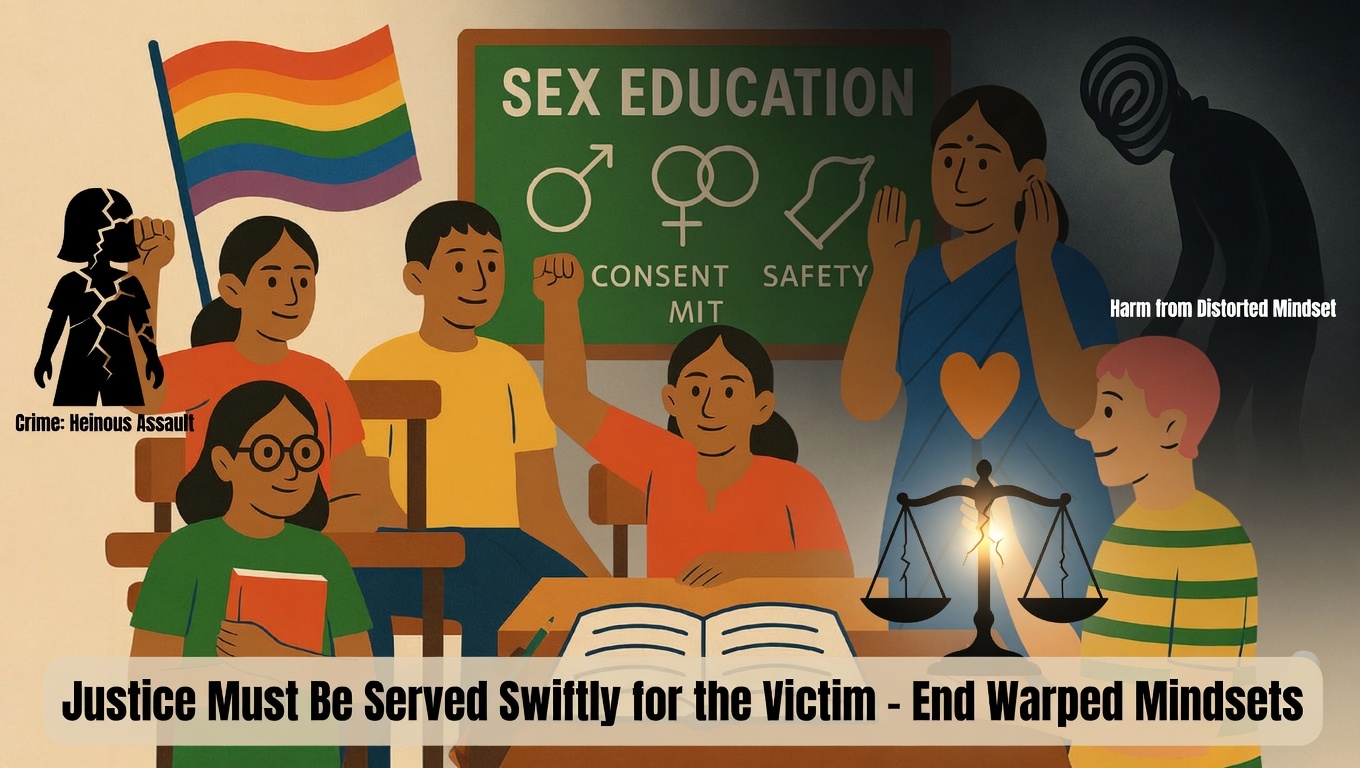
She said the real issue is not just one criminal. The deeper problem is the distorted mindset that still exists among some men in society. And unless society collectively works to change that mentality, incidents like this will continue repeating themselves in different forms.
That thought stayed with many people.
Because yes — the accused in the Nasrapur case deserves strict and severe punishment. There is no debate about that. But punishment alone cannot build a safer society.
If we genuinely want such incidents to stop, then the conversation has to go beyond hashtags, outrage, and one-week social media anger. Sexologists, psychiatrists, social reformers, educators, doctors, parents, and communities all need to work together to build a healthier social mindset — one that teaches respect, emotional control, consent, and humanity from the very beginning.
And maybe that is the uncomfortable reality Gen Z is beginning to recognize:
Justice is necessary.
Anger is natural.
But prevention is the real revolution.