Kurla Rap and the Sound of the Mumbai Gully.
Kurla Rap and the Sound of the Mumbai Gully.


Kurla Rap and the Sound of the Mumbai Gully.
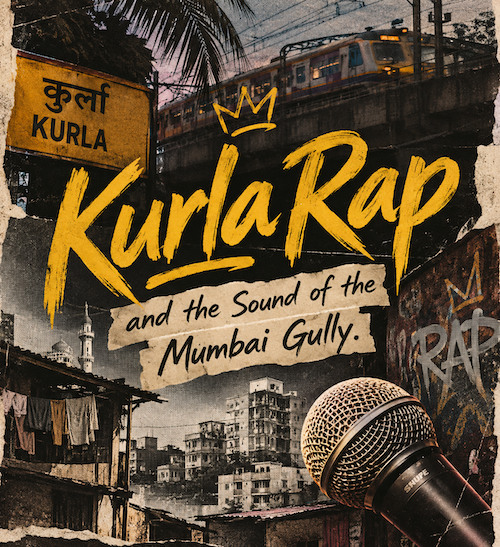
Kurla does not look like a place that would reshape Indian hip hop. It is crowded and loud and always in motion. The railway junction pushes thousands of commuters into narrow lanes every minute while horns and vendors and buses fill the air with constant noise. Yet this is exactly the kind of place where rap finds its words. Kurla teaches young people about hustle and humour and survival every single day and those lessons slowly become verses. In the eastern suburbs of Mumbai the working city shows its real face and a new generation of writers has decided to put that face on a beat. Every rooftop and tea stall and railway bridge doubles as a stage for anyone with something to say. The result is a scene that feels honest and raw and deeply local while still speaking to listeners far beyond the city.
Kurla carries the weight of everyday Mumbai. Families from across India have settled here for generations and the area blends languages and faiths and professions in a way few places can. Tailors and mechanics and drivers and small traders live a few steps from glass towers in the nearby business district. That contrast between struggle and glitter is the raw material of street rap. The language of the scene is just as mixed. Mumbaiya Hindi is the natural tongue of the lanes with slang and shortcuts borrowed from Urdu and Marathi and English. Rappers from the area do not polish this speech into something safe. They lean into it and the result sounds like real conversation. That honesty is the main reason listeners connect so quickly with the music.
When people talk about Kurla and rap the first name that comes up is Naezy. Born Naved Shaikh and raised in the neighbourhood he became one of the early faces of Mumbai street rap through his track Aafat. The song described his own life and surroundings with a confidence that felt very different from the polished pop of the time. It spread across the city and across the internet and showed a generation of young writers that their lanes were worth putting on a beat. His story later reached a far wider audience through the film Gully Boy which drew inspiration from the lives of Naezy and fellow Mumbai rapper Divine. For many viewers it was the first real glimpse of a culture that had been growing quietly for years.
The Kurla scene runs on simple tools. A phone and cheap earphones and a beat from the internet are often enough to begin. Many young rappers record in small rooms and upload their work to YouTube and Instagram. Friends gather on terraces and street corners and railway bridges for informal cyphers where each person takes a turn on the mic. There is no gatekeeper and no entry fee. What matters is the strength of your lines and the nerve to say them out loud. This do it yourself spirit keeps the music close to daily life. Songs speak about family pressure and unemployment and dreams of a better future and the stubborn pride of belonging to a place that outsiders often misjudge. Humour and wordplay appear everywhere because a good punchline travels fast in a crowded city.
The path is not easy. Practice space is limited in a dense neighbourhood and studio time costs money that many families cannot spare. Parents worry that rap is not a stable career and the pressure to earn can pull talented writers away from music. Platforms and brands also tend to favour a few famous names which leaves many strong voices unheard. Still the scene keeps growing. Every year a new batch of teenagers picks up a notebook and starts writing and social media lets them be discovered without leaving home. Kurla matters because it shows how music grows from place and how a neighbourhood with limited resources can still create art that speaks to millions. The next breakout voice may well be writing lines on a local train right now. As long as the lanes stay noisy and the people stay stubborn the rap will keep coming.