Why We Spend Money We Haven't Earned Yet.
Why We Spend Money We Haven"t Earned Yet.


Why We Spend Money We Haven't Earned Yet.
Money day is still days away but the cart is already full A new phone or a weekend trip or a pair of shoes gets bought on a card or on an easy monthly plan and the money to pay for it does not exist yet Many people do this without feeling reckless because it seems so ordinary Yet spending money we have not yet earned is one of the most common financial habits of our time and psychology and behavioural economics explain well why it feels so natural
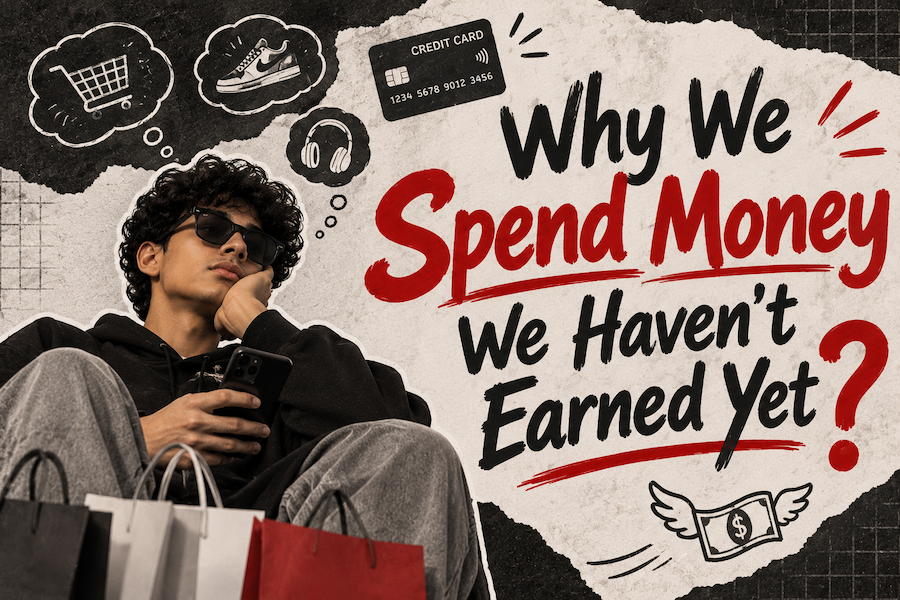
The first reason is present bias which is our tendency to value rewards now far more than rewards later Economists describe this as hyperbolic discounting A good feeling today wins over a vague benefit next year even when we know better Technology makes this easier than ever because paying has become frictionless With cards and phone payments and buy now pay later offers the moment of handing over cash disappears and researchers who study the pain of paying have found that this lack of pain makes people spend more freely
The second reason is the way we think about the future Most people are optimistic about what they will earn and how much room they will have later A raise or a bonus or a better job feels certain in the imagination so the money starts to feel like it already exists Behavioural scientists use the term mental accounting for how we sort money into imaginary boxes and treat future income as if it were available today Monthly instalments make the price look small and hide the total cost which is why a big purchase can feel like a tiny one
Then there is the social side Scrolling through feeds filled with holidays and gadgets and weddings creates constant comparison Many young people feel that they must keep up with what friends and colleagues seem to have Spending then becomes a way of belonging and of feeling successful before success has actually arrived Marketing adds to the pressure with limited time offers and countdown timers that push the brain toward quick decisions Shopping can also lift mood for a short time so spending can become a way to cope with stress or boredom
None of this means that all borrowing is wrong Education and a home or an emergency can justify using credit when there is a clear plan to repay it The trouble begins when spending runs ahead of income without a plan Simple habits can help such as waiting forty eight hours before a non essential purchase and tracking where money goes each month and basing a budget on what you actually earn instead of what you hope to earn Setting aside a small amount first on every pay day builds the muscle of delayed reward Money we have already earned is a choice while money we have not yet earned is a promise and it helps to make only promises we can keep
Maitrayee Repal