India's Illegal Cigarette Market: Cheap Packs, Big Business and a Bigger Problem.
India"s Illegal Cigarette Market: Cheap Packs, Big Business and a Bigger Problem.


India's Illegal Cigarette Market: Cheap Packs, Big Business and a Bigger Problem.
Walk into a small paan shop or a local convenience store in India and you might come across cigarette brands that you don't usually see in regular stores. Some have foreign packaging, different flavours and prices that seem surprisingly low compared to legal cigarette brands. While these products might look like just another imported alternative, many enter the Indian market through illegal channels. The illegal cigarette trade has quietly become a serious issue, and it raises questions about taxation, consumer awareness and how easily these products are available.
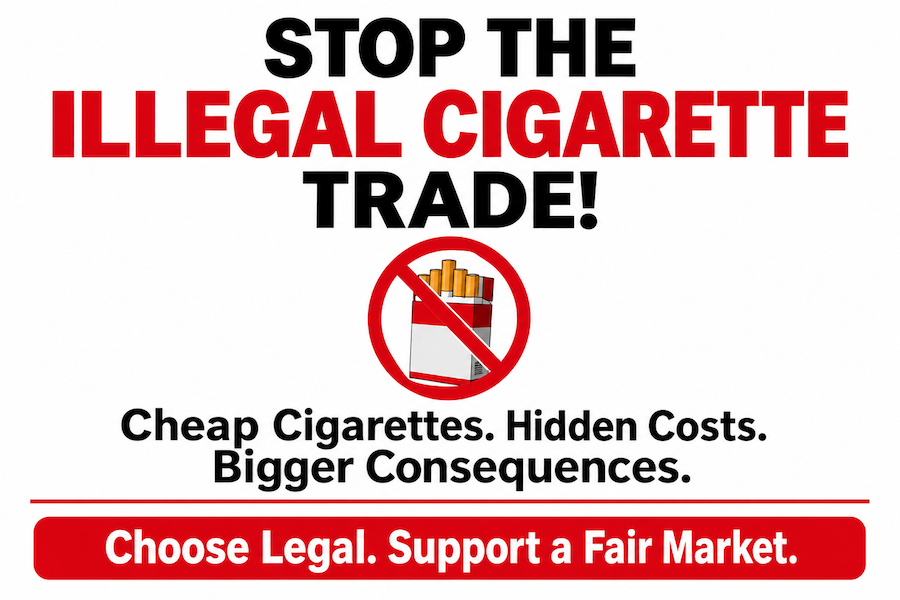
One of the biggest reasons behind this market is the price difference. Cigarettes in India face high taxes, making legally sold products relatively expensive. This creates an opportunity for sellers to offer illegally imported cigarettes at lower prices. Brands such as Esse, Manchester, Gudang Garam and other international names are sometimes found in local markets without the required Indian tax stamps or regulatory compliance. For consumers, the attraction is simple: getting an imported product for less money. But what many buyers don't realise is that a cheaper price does not necessarily mean a genuine or legally imported product.
The problem goes beyond tax evasion. Illegal imports avoid the customs duties and taxes that legitimate businesses are required to pay. This creates an uneven playing field for legal manufacturers, distributors and retailers who follow the rules. It also means the government loses revenue that would otherwise contribute to public funds. More importantly, products entering through unregulated channels may not meet Indian packaging, labelling and health-warning requirements. Cigarettes are harmful regardless of where they are manufactured, but the lack of proper regulation makes it even harder to monitor what is being sold and where it is coming from.
What makes the situation more concerning is how accessible these cigarettes have become. They are no longer limited to specialised shops or niche markets. In some places, they can be found alongside regular cigarette brands at ordinary paan shops and convenience stores. Social media and word of mouth have also helped create curiosity around imported cigarette brands, with some consumers associating foreign packaging with better quality or a more premium experience. This perception can be misleading. An imported label does not automatically mean better quality, authenticity or safety.
India needs stronger enforcement against illegal cigarette imports, better monitoring of retail distribution and greater awareness among consumers. Customs authorities, local enforcement agencies and regulators all have a role to play in controlling this trade. At the same time, consumers need to understand that buying an illegally imported cigarette is not simply about choosing a different brand. It supports a market that operates outside the rules and avoids the taxes and checks applied to legitimate products. The illegal cigarette trade might look like a small business happening behind the counters of local shops, but its impact reaches much further. What seems like a cheaper alternative is part of a much bigger problem involving lost revenue, unregulated products and a market that continues to grow because there is demand for it.