Amitabh Bachchan and the Legacy of the Star of the Millennium
Amitabh Bachchan and the Legacy of the Star of the Millennium


Amitabh Bachchan and the Legacy of the Star of the Millennium
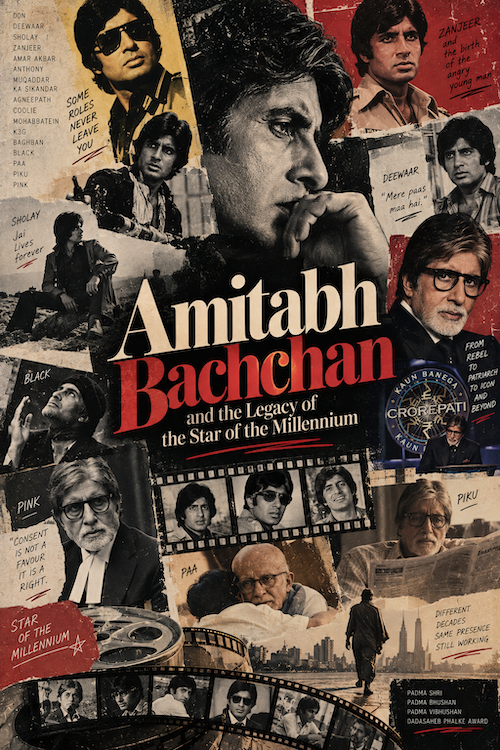
I am twenty three and the first Amitabh Bachchan film I ever watched was Sholay on a worn out DVD at my uncle’s house. I did not know it then but I was watching the work of a man who would shape how Indian cinema looked and sounded for the next fifty years. In 1999 a BBC online poll named him the Star of the Millennium ahead of names from Hollywood and beyond. That title sounds big but after living with his films it feels fair. Very few actors have managed to be a rebel and a patriarch and a comic and a icon of grief across such a long career. What makes him special for my generation is that he never became a museum piece. We know him from the black and white posters on our fathers’ walls and also from the quiz show we watched with our families. In this review article I look at the films that built his legacy and ask why they still hit so hard.
The story begins in 1973 with Zanjeer. Before it Amitabh was a tall actor with a deep voice who had not found his place. Then Inspector Vijay appeared and the angry young man was born. Zanjeer gave India a hero who was tired of broken systems and ready to fight them with his fists and his silence. Deewaar followed in 1975 and I still think it is one of the finest films ever made in Hindi. The scene at the temple and the famous reply about having a mother are moments that every film student should study. Sholay arrived the same year and became the most quoted film in the country. Jai was a quiet and witty thief and Amitabh played him with a calm that stole scenes from loud villains. Add Don and Amar Akbar Anthony and Muqaddar Ka Sikandar and you see a man who could carry action and comedy and tragedy in the same decade without breaking a sweat'
The last two decades show his real range. Black in 2005 brought him another National Award for his role as a teacher guiding a deaf and blind student. Paa and Piku added two more and proved he could play a child with a rare disease and a grumpy old father with equal truth. Pink gave us a lawyer whose courtroom speech about consent became a national conversation. He has also received the Padma Shri and the Padma Bhushan and the Padma Vibhushan along with the Dadasaheb Phalke Award. Still the numbers do not capture him. What stays with me is how a voice and a pair of eyes can hold an entire film together. My verdict is simple. His classics earn five stars for performance and four and a half for craft. If you want to understand the soul of Hindi cinema then begin with Deewaar and Sholay and then keep going. You will find that the legend is still working.