Stabbed at 30,000 Feet and Still Said No: Captain Smit Machchhar Wouldn’t Let 174 Lives Go
Non-Negotiable: How Captain Smit Machchhar Kept 174 People Alive
|


Stabbed at 30,000 Feet and Still Said No: Captain Smit Machchhar Wouldn’t Let 174 Lives Go
-Pulse Desk
Thirty thousand feet. Lights low. Everyone either knocked out or deep in their phones. Flydubai FZ1073 from Dubai to Tel Aviv was giving regular Tuesday energy until the cockpit turned into a horror movie.Captain Smit Machchhar — Indian pilot, Mumbai guy, ex-SpiceJet, now flydubai — is in the left seat doing the job he actually trained for: get people on the ground alive. Then his co-pilot (Israeli officials ID’d him as Omani) pulls a knife and starts stabbing him. Not a fight. A plan. Reports say the goal was to take the Boeing and yeet it into Israel. Classic “plane as weapon” move. The jet drops hard — thousands of feet in seconds. People in the back are convinced this is it.
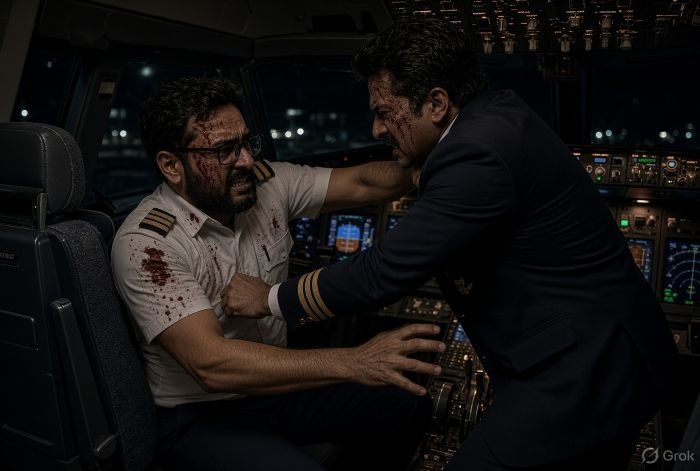
Machchhar is on the floor, bleeding from his head and hands, covered in blood, and he still reaches the cockpit door release and opens it. That one move lets crew and passengers flood in, pin the attacker, and stop the dive from becoming a crater. Two off-duty pilots who were just riding along help land it in Tabuk, Saudi Arabia. About 174 people, kids included, walk off. He’s in hospital, stable. Modi called him a hero. Netanyahu did too. No cap.
This is the part that should hit different. Terror doesn’t always show up with a flag and a speech. Sometimes it sits right next to you in uniform and waits for altitude. Same energy as 9/11 — turn a normal flight into a missile. Same energy as October 7 — walk into a festival and kibbutzim and just start killing and burning because the people there exist. Same energy as Pahalgam — tourists out here trying to see mountains and valleys, and gunmen decide their lives are optional. Different year, same script: your life doesn’t matter if you won’t fold.
Machchhar didn’t freeze. Didn’t try to talk the knife down. Indian households still drill one unsexy idea a lot of timelines treat like it’s optional: when people are in your care, you don’t clock out because you’re hurt or scared. That’s not a caption. That’s him, losing blood, still hitting the door switch so strangers get to live. He didn’t even grow up dreaming of planes — textile engineering and the family business first, then some random aviation seminar flipped the switch, years training other pilots at SpiceJet, then flydubai. Skills helped. Refusing to quit did the real work.
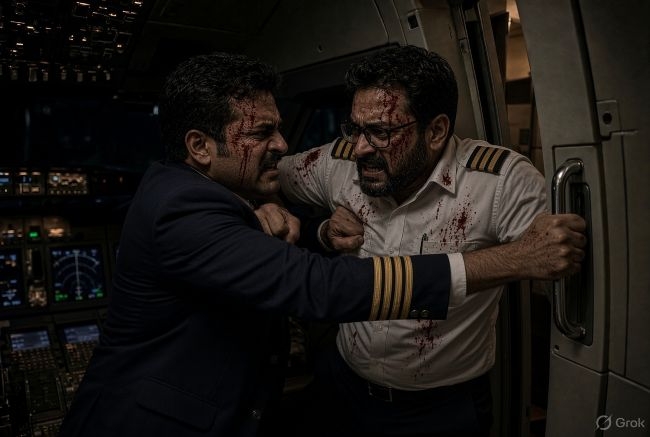
You don’t gotta be loud. You do gotta be clear. Protect people who didn’t sign up for the violence. Don’t platform the ones who treat civilians like props. Build the habit of acting before the moment shows up — actual skills, not just opinions. Indian tradition has a long file of people who stood between the threat and everyone else. That file still works because the threat keeps updating its fit. Those passengers are alive because Machchhar treated their lives as non-negotiable after the first stab. That standard didn’t expire. Use it.